
Optimal Timing for Storm Restorations
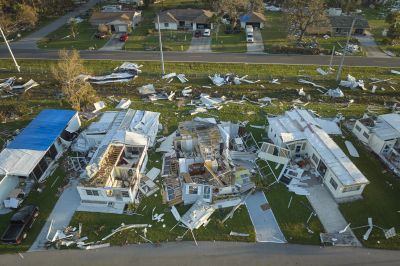
Images depict the impact of severe weather on properties, highlighting the importance of timely restoration.
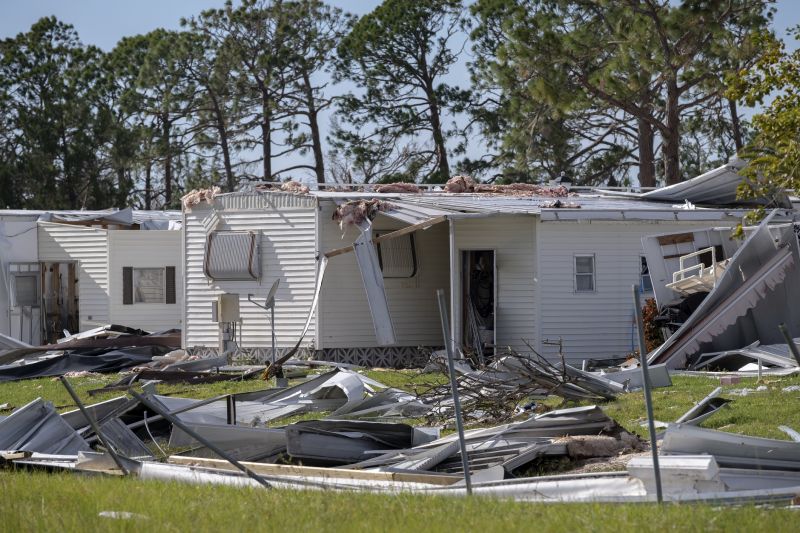
Visuals of repair crews working on storm-affected structures, emphasizing the need for prompt action.
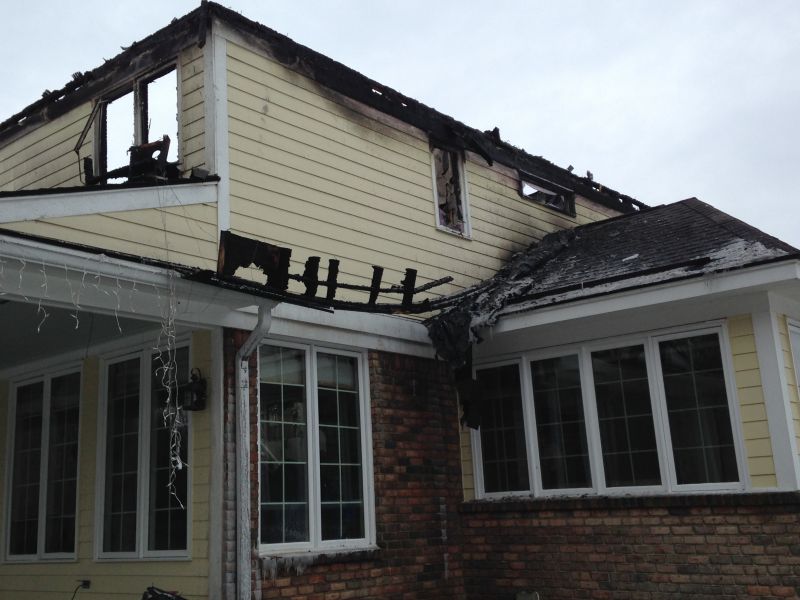
Photos showing various types of storm damage, including roof and siding issues.
Ways to make Storm Restorations work in tight or awkward layouts.
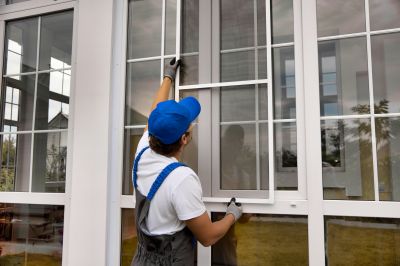
Popular materials for Storm Restorations and why they hold up over time.

Simple add-ons that improve Storm Restorations without blowing the budget.
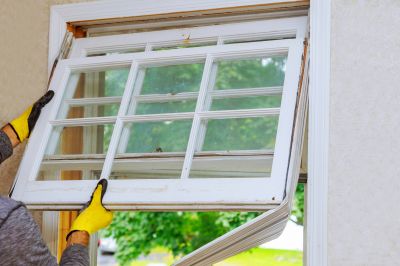
High-end options that actually feel worth it for Storm Restorations.
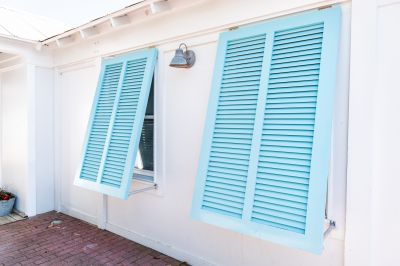
Finishes and colors that play nicely with Storm Restorations.
Storm restorations are essential following severe weather events to repair damage and restore property integrity. The timing of these restorations can significantly influence the extent of damage and the cost involved. Prompt response minimizes secondary issues such as mold growth, structural deterioration, and water intrusion. In regions like Gig Harbor, WA, where storms can be unpredictable, understanding the optimal time for restoration is vital for effective recovery.
Storm activity tends to peak during certain seasons, making immediate restoration crucial after storms occur.
Monitoring weather forecasts helps identify the best window for safe and effective restoration work.
Conducting inspections soon after a storm ensures damage is identified and addressed promptly.
Delays in restoration can lead to increased costs due to worsening damage and secondary issues.
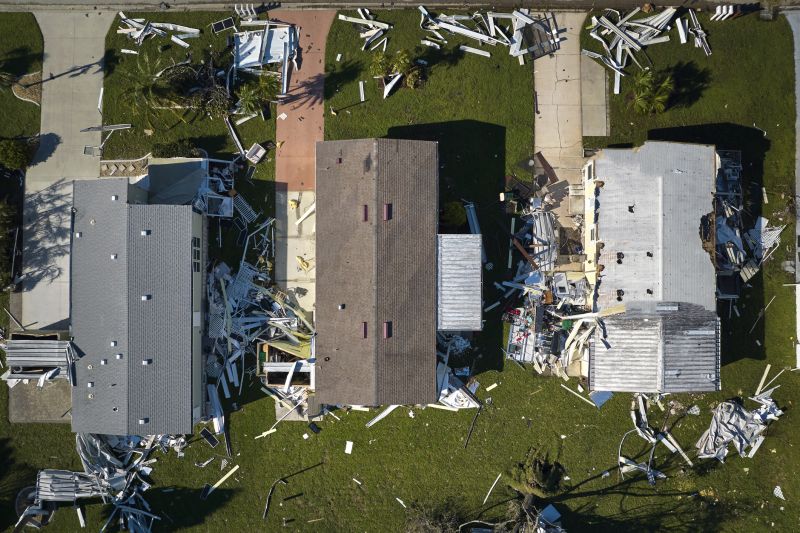
Assessing damage immediately after storms is vital for planning repairs.
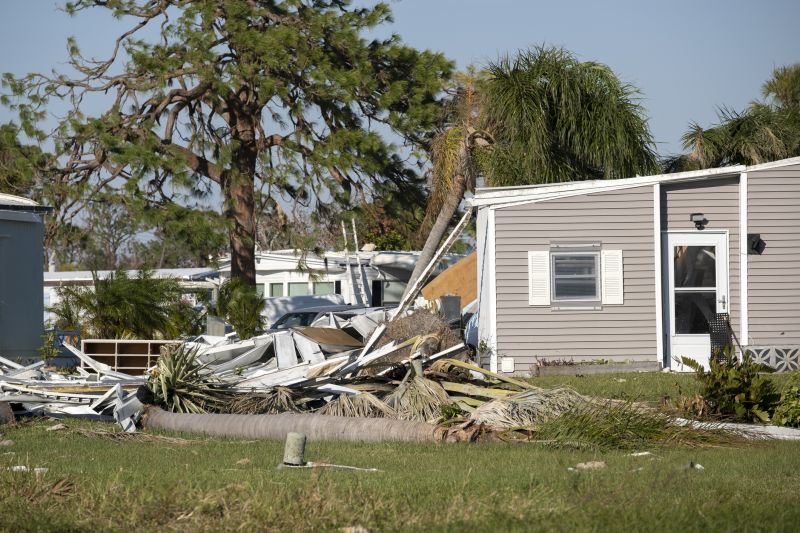
Rapid response to storm damage prevents further deterioration.
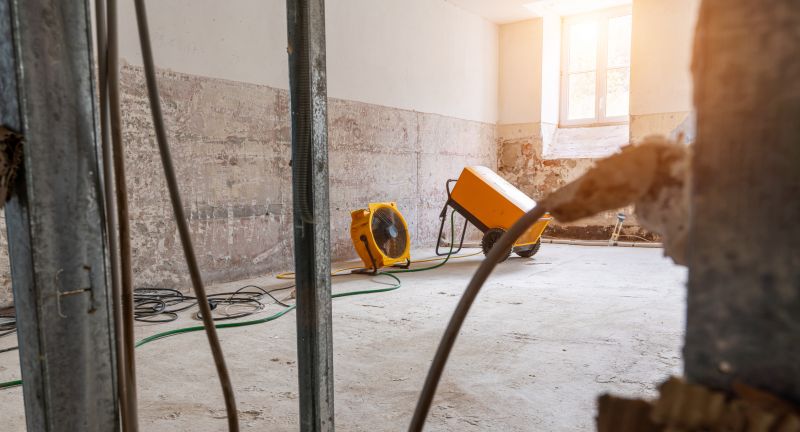
Specialized tools and equipment are used most effectively in suitable weather conditions.

Preparing for storms can reduce damage and facilitate quicker restoration.

Little measurements that prevent headaches on Storm Restorations day.
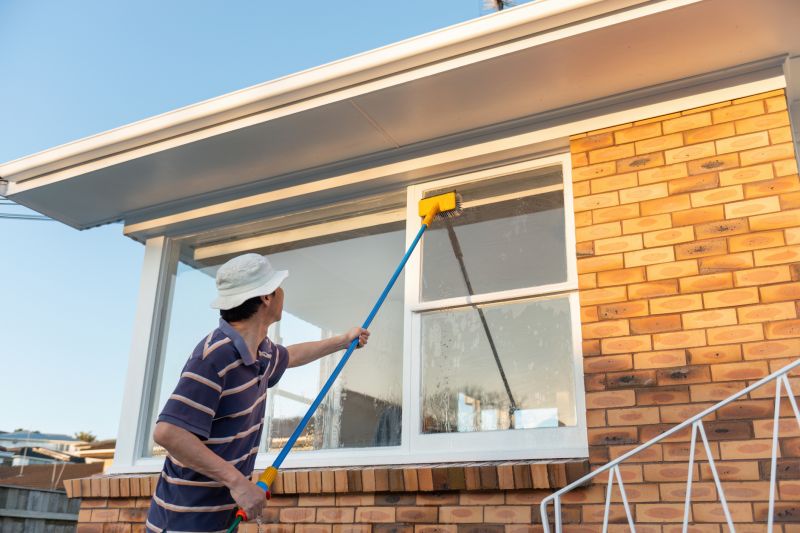
A 60-second routine that keeps Storm Restorations looking new.

A frequent mistake in Storm Restorations and how to dodge it.

Small tweaks to make Storm Restorations safer and easier to use.
| Factor | Impact on Timing |
|---|---|
| Storm Season | Peak activity periods require prompt response. |
| Weather Conditions | Restoration should occur during safe weather. |
| Damage Severity | More severe damage necessitates quicker action. |
| Property Type | Certain structures may require immediate attention. |
| Availability of Contractors | Scheduling may influence timing. |
| Access to Site | Clear access improves restoration efficiency. |
| Forecast Accuracy | Reliable forecasts aid in planning restoration. |
| Secondary Damage Risk | Delaying increases risk of mold, rot, and deterioration. |
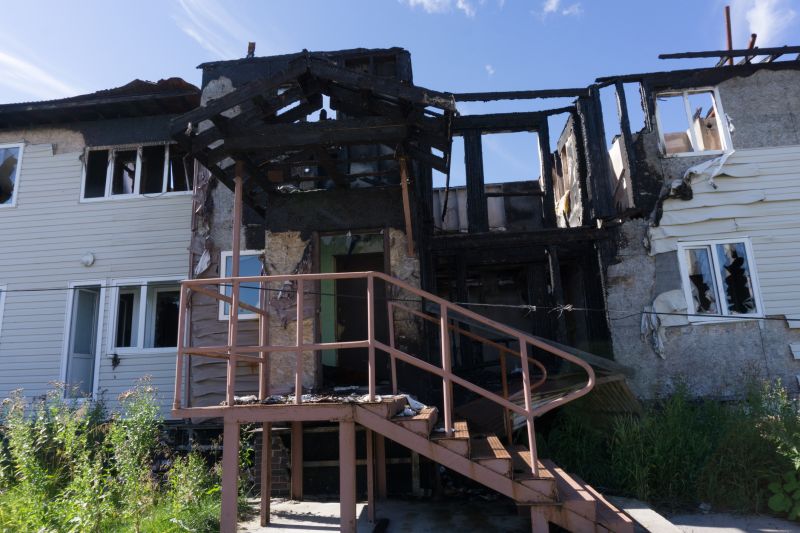
Images of properties undergoing storm damage repairs, illustrating the restoration process.
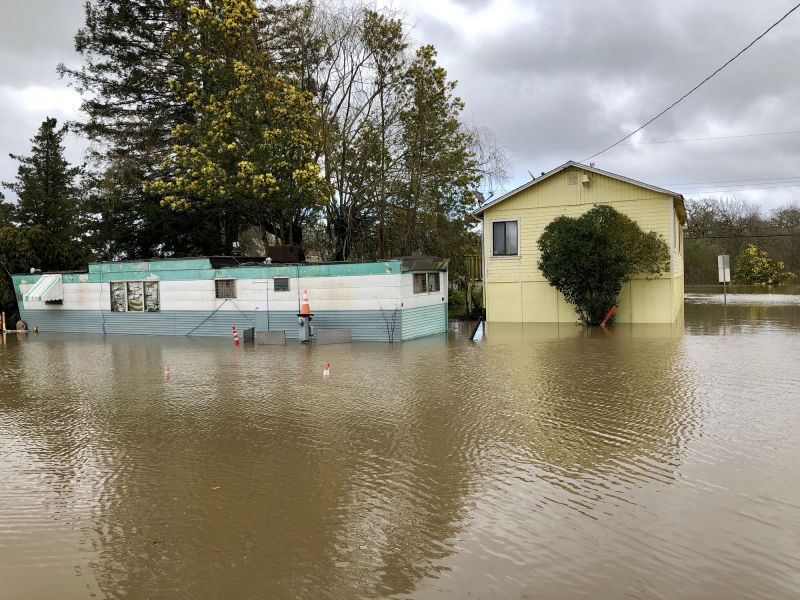
Visuals of crews mobilizing quickly after storm alerts.

Photos showing reinforcement work to prevent future storm damage.

Final assessments ensure repairs meet safety standards.

Lower-waste or water-saving choices for Storm Restorations.

The short, realistic tool list for quality Storm Restorations.
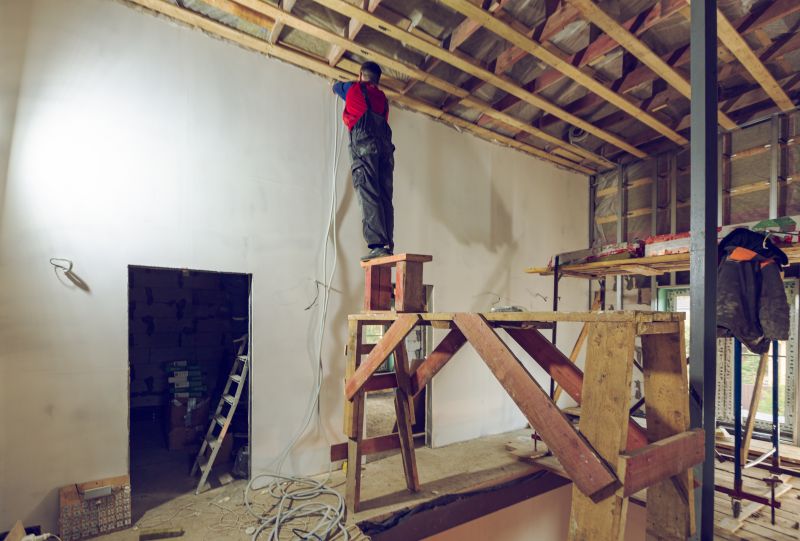
Rough timing from prep to clean-up for Storm Restorations.

Quick checks and paperwork to keep after Storm Restorations.
Understanding the optimal timing for storm restorations ensures that property owners can minimize damage and restore structures efficiently. Early intervention is often the most effective approach, particularly in storm-prone regions like Gig Harbor, WA. Regular inspections and preparedness can help identify issues promptly, reducing long-term repair costs.
Interested in storm restorations for property protection and repair? Filling out the contact form provides an opportunity to discuss specific needs and schedule timely restoration services. Prompt action helps maintain property value and structural integrity after storm events.